
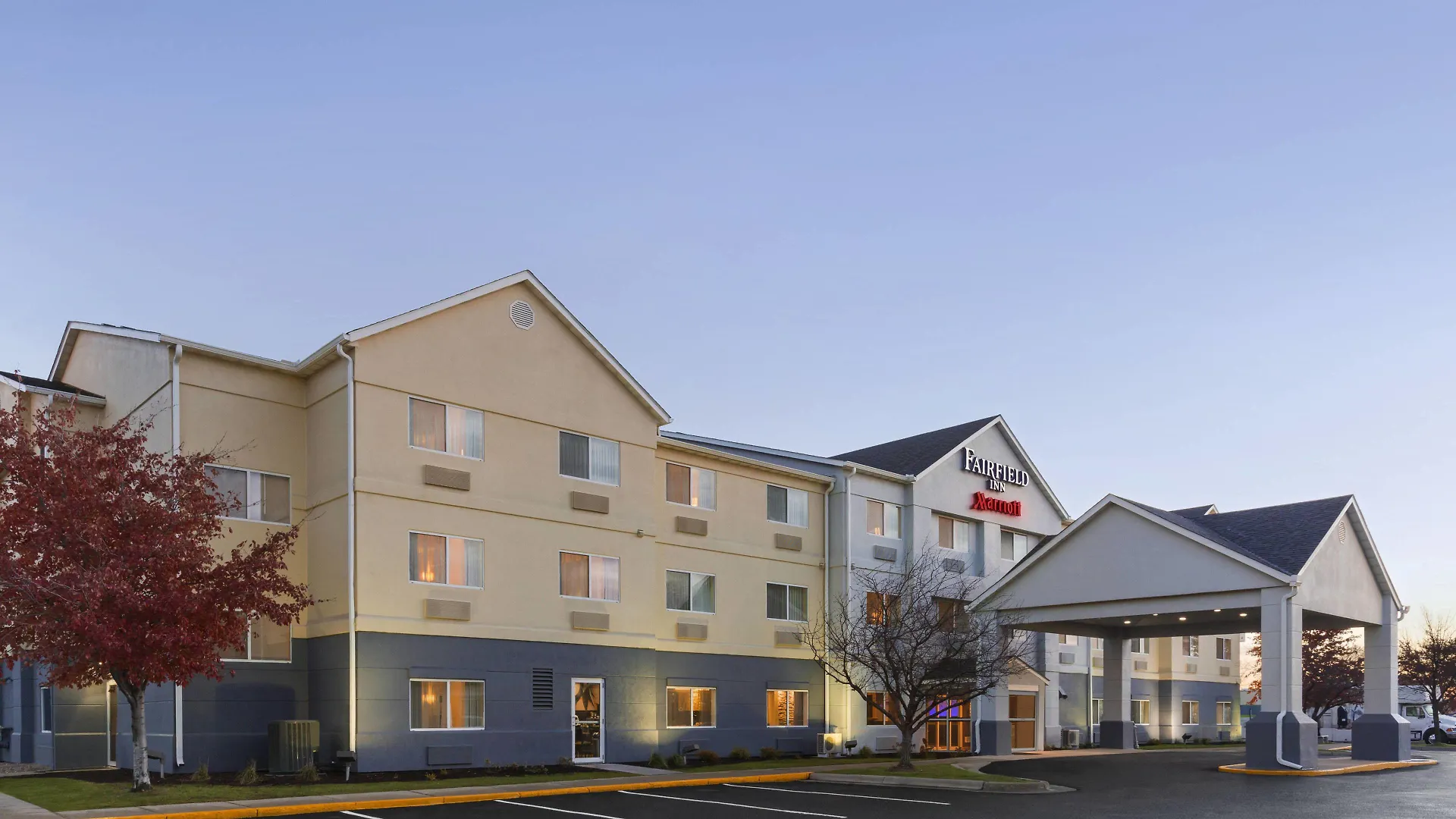
Minnesota offers a surprisingly compelling mix of urban energy and lake-country calm, and its design-forward hotels reflect that duality - blending functional Midwest sensibility with well-considered interiors that go beyond the standard chain aesthetic. From medical-hub Rochester to the river-town character of Winona, these four properties stand out for how they balance comfort, amenities, and location intelligence across the state.
What It's Like Staying in Minnesota
Minnesota is defined by its 10,000+ lakes, four distinct seasons, and a network of mid-sized cities connected by interstate highways rather than dense rail. Travel here is predominantly car-based, with driving times between cities like Mankato, Winona, and Fergus Falls running around 2 hours - something to factor into any multi-destination plan. Crowd patterns vary sharply: summer months bring lake tourists and festival-goers, while winter draws skiers and hockey crowds, keeping hotel occupancy high nearly year-round.
Urban stays in Rochester or Mankato suit travelers tied to specific appointments - medical visits, university events, or regional business - while Winona and Fergus Falls appeal to those seeking a slower, scenery-focused pace along the Mississippi River or prairie lakes corridor.
Pros:
- Strong year-round tourism infrastructure with reliable mid-size hotel amenities across the state
- Most design hotels include free parking, a practical advantage in car-dependent Minnesota cities
- Diverse geographic options - from medical-center proximity in Rochester to riverside character in Winona
Cons:
- Public transport between cities is limited, making a rental car essentially mandatory for most itineraries
- Peak summer and winter seasons drive up hotel rates and reduce availability with little notice
- Smaller cities like Fergus Falls have fewer walkable dining and entertainment options within immediate hotel radius
Why Choose Design Hotels in Minnesota
Design hotels in Minnesota's mid-sized cities tend to prioritize purposeful layouts - think indoor pools, fitness centers, and business-ready rooms - over purely decorative aesthetics, which makes them unusually practical for both leisure and work travelers. Unlike boutique urban hotels in Minneapolis or St. Paul, these properties offer around 30% more space per room on average while keeping rates competitive with standard chain options. The trade-off is that they sit in suburban or highway-adjacent corridors rather than walkable downtown cores, so access to local restaurants typically requires a short drive.
What differentiates design-forward stays here is the attention to in-room functionality: desks, flat-screen TVs, quality bedding, and coffee stations are standard, while shared amenities like hot tubs, indoor pools, and lounges elevate the experience above typical roadside options. Breakfast is almost universally included at this hotel tier in Minnesota, saving travelers a meaningful daily cost compared to urban markets.
Pros:
- Larger room footprints compared to equivalent urban hotels, with full desk and seating setups standard
- Indoor pools and hot tubs available across all four properties - a significant amenity in cold-weather months
- Buffet or full breakfast included, reducing daily out-of-pocket costs substantially
Cons:
- Highway-adjacent locations mean some properties lack immediate walkability to dining or attractions
- Design differentiation is more functional than architectural - interiors are polished but not avant-garde
- Shared amenity spaces can feel crowded during peak weekends, particularly pool areas
Practical Booking & Area Strategy
Rochester is the most strategically positioned city for travelers with medical appointments at Mayo Clinic, with the Comfort Inn West located around 7.4 km from the Plummer Building and offering a free shuttle - a rare and valuable feature in this market. Mankato suits travelers attending events at Verizon Wireless Center or exploring the greater Minnesota River Valley, with easy access to skiing in winter. Winona sits directly on the Mississippi River, making it the most scenically distinctive base, particularly for travelers driving the Great River Road route. Fergus Falls, positioned in west-central Minnesota near the Otter Tail Lake region, is best suited as a base for lake-country exploration, though Hector International Airport is around 95 km away, so fly-drive itineraries require planning.
Book at least 6 weeks in advance for summer stays in Winona and Mankato, where regional festivals and university calendars compress availability sharply. Rochester remains in demand year-round due to the Mayo Clinic draw, with last-minute rates frequently elevated.
Best Value Design Stays
These properties deliver strong amenity packages - indoor pools, included breakfast, and free parking - at competitive rates across their respective Minnesota cities, making them the most accessible entry points for design-conscious travelers on a practical budget.
-
1. Fairfield Inn & Suites By Marriott Mankato
Show on map


 Check-infrom 15:00 until 23:59Check-outuntil 12:00
Just a few rooms left at the best rate!
fromUS$ 109
-
2. Country Inn & Suites By Radisson, Fergus Falls, Mn
Show on map


 Check-infrom 15:00 until 23:59Check-outuntil 11:00
Just a few rooms left at the best rate!
fromUS$ 129
Best Premium Design Options
These two properties offer stronger location credentials or standout amenity combinations - the shuttle service in Rochester and the Mississippi River setting in Winona - that justify their positioning as the top-tier picks in this Minnesota design hotel selection.
-
3. Comfort Inn & Suites West - Medical Center
Show on map


 Check-infrom 15:00 until 23:59Check-outuntil 12:00
Hurry – almost gone at this price!
fromUS$ 95
-
4. Americinn By Wyndham Winona
Show on map


 Check-infrom 15:00 until 23:59Check-outuntil 11:00
Rooms filling fast – secure the best rate!
fromUS$ 169
Smart Travel & Timing Advice for Minnesota
Minnesota's travel calendar splits into two clear peak windows: late June through August for lake tourism, outdoor festivals, and university events, and December through February for winter sports and holiday travel. Both periods push hotel rates up sharply and compress availability in Mankato, Winona, and Fergus Falls - cities where the hotel supply is thinner than in the Twin Cities metro. Rochester operates on a different rhythm driven by Mayo Clinic schedules, meaning weekday rates can rival or exceed weekend rates, and last-minute bookings in Rochester are consistently unreliable regardless of season.
For the best rate-to-value balance, target shoulder seasons: late April through May and September through October offer mild weather, fewer crowds, and noticeably lower nightly rates. A stay of around 3 nights in any of these cities is enough to explore the local area properly without overextending a single-location itinerary. Book at least 8 weeks ahead for summer and winter peak periods; shoulder season bookings can be made closer to arrival without significant rate penalty.


