
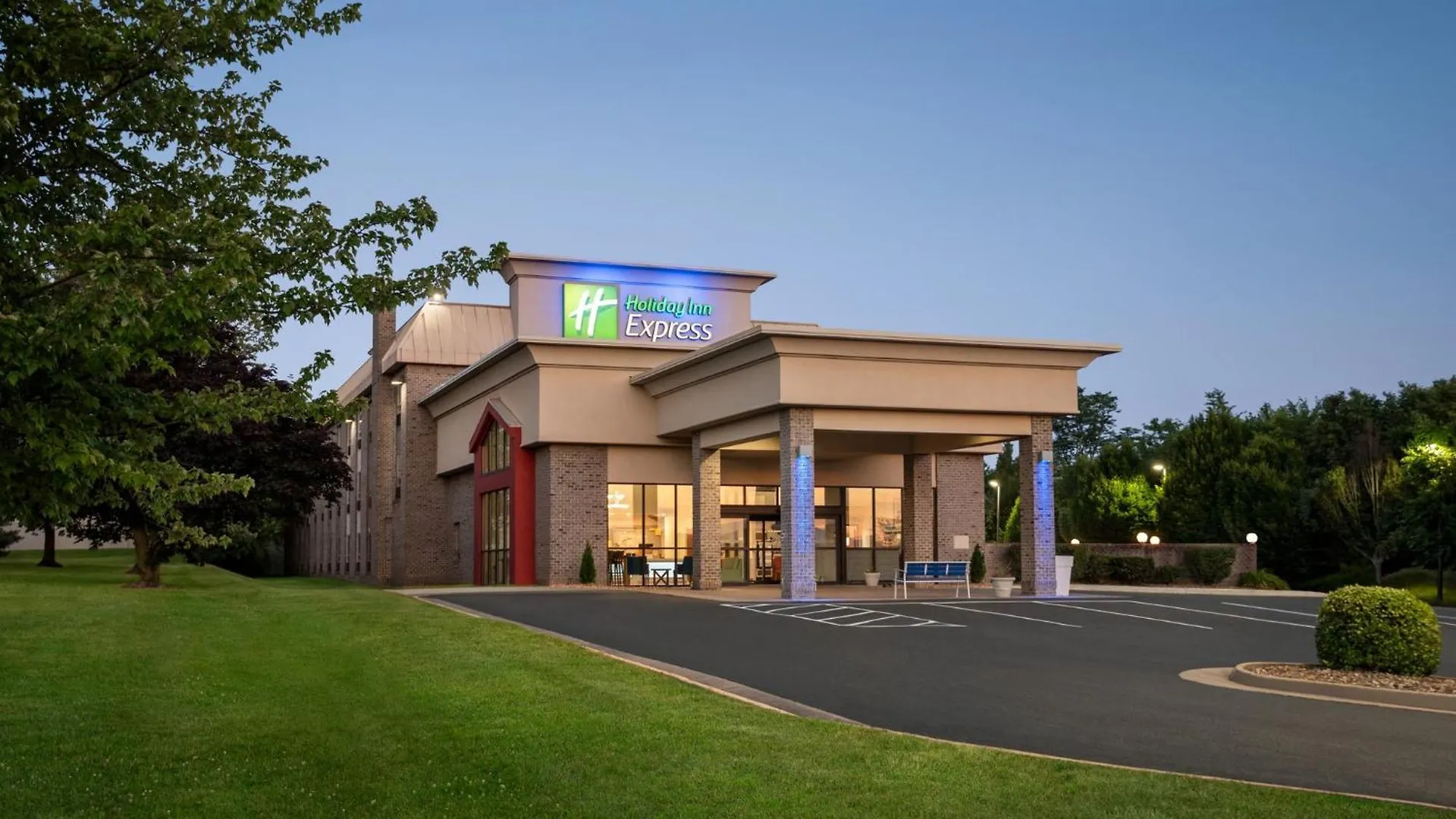
The Blue Ridge Mountains stretch across multiple states - from Virginia and North Carolina down to Georgia - making the choice of base location one of the most important decisions for any trip to the region. Holiday Inn Express properties offer a reliable, no-surprise standard with free breakfast and consistent amenities, which is especially useful when you're using your hotel as a launching pad for trail days and scenic drives rather than spending time in the room. This guide breaks down all four Holiday Inn Express locations across the Blue Ridge corridor so you can choose the right one for your itinerary.
What It's Like Staying in the Blue Ridge Mountains
The Blue Ridge Mountains region is not a single destination - it's a 900-mile corridor of national forests, state parks, historic towns, and overlooks along the Blue Ridge Parkway, spanning from northern Virginia to northern Georgia. Getting around requires a car; there is virtually no public transit connecting attractions, trailheads, or even towns in most parts of the region. Most visitors spend their time driving scenic routes, hiking, visiting waterfalls, and exploring small mountain towns like Brevard, Helen, or Winchester - with days structured around outdoor activity rather than urban convenience.
Staying in a well-positioned town gives you a real base with dining, groceries, and easy highway access, while the mountains themselves remain within around 30 minutes of most hotel clusters. Crowds peak hard in October during fall foliage season, when rooms book out weeks in advance across the entire region.
Pros:
- Exceptional access to the Blue Ridge Parkway, Appalachian Trail, and dozens of waterfall hikes within short drives
- Small mountain towns offer genuine local character - breweries, farm-to-table dining, and independent shops
- Fresh mountain air and lower summer temperatures compared to flatland cities make outdoor activity genuinely comfortable
Cons:
- A car is non-negotiable - no rideshare, no transit, no walkable attractions from most hotels
- Cell service drops significantly once you leave town centers and enter mountain roads
- Popular trailheads and overlooks fill parking lots by 9 a.m. on weekends, requiring very early starts
Why Choose Holiday Inn Express Hotels in the Blue Ridge Mountains
Holiday Inn Express properties in the Blue Ridge Mountains region sit at the practical sweet spot for outdoor-focused travelers: they deliver free hot breakfast, reliable WiFi, a fitness center, and consistent room sizing without the premium cost of boutique mountain lodges. In a region where many inns and cabins charge premium rates for "rustic charm," Holiday Inn Express rates often run around 30% lower than comparable independent mountain lodges, with predictably sized rooms and no surprises on amenities. These hotels are positioned in gateway towns rather than deep wilderness, meaning you get real infrastructure - grocery stores, gas stations, restaurants - combined with a straightforward drive to trailheads.
The trade-off is that you're not waking up to mountain views from a wraparound porch. These are highway-adjacent properties built for efficiency, not atmosphere - the right call if you plan to spend most of your time outside and just need a functional, clean base. Pools and fitness centers vary by location, which matters after long hiking days.
Pros:
- Free breakfast included at all four locations saves meaningful daily costs for multi-night stays
- Consistent room quality with desks, flat-screen TVs, private bathrooms, and reliable WiFi across all properties
- Free parking at every location - essential when a car is mandatory for exploring the region
Cons:
- Located in town centers and near highways rather than inside the mountains - no immersive wilderness setting
- Rooms are functional but lack the character of boutique cabins or mountain lodge alternatives
- Outdoor pools at some locations are seasonal, limiting use during shoulder-season visits
Practical Booking & Area Strategy for the Blue Ridge Mountains
The Blue Ridge corridor splits into three practical travel zones: the northern Virginia end anchored by Winchester and Stephens City, the North Carolina central zone around Brevard and Asheville, and the southern Georgia gateway around Helen. Winchester and Stephens City are best positioned for travelers combining Shenandoah National Park with Civil War historic sites like Cedar Creek and Belle Grove National Historical Park. Brevard sits at the edge of Pisgah National Forest, putting hikers within minutes of Looking Glass Falls and the Art Loeb Trail - and just 27 km from Asheville Regional Airport, making it the most flight-accessible of the four locations. Helen, Georgia, is the most unusual base: a Bavarian-themed mountain town sitting 300 meters from the Chattahoochee River and within 2.5 km of Anna Ruby Falls, attracting a mix of tubing visitors, hikers, and wine trail travelers to nearby Yonah Mountain Vineyards. Book at least 6 weeks ahead for October stays across all four locations - fall foliage season drives occupancy to near-capacity throughout the entire region, with prices spiking noticeably compared to summer or spring.
Best Value Stays
These two properties offer strong positioning for budget-conscious travelers hitting the northern Virginia and southern Georgia ends of the Blue Ridge corridor, with free parking, breakfast, and pools at accessible price points.
-
1. Holiday Inn Express Stephens City By Ihg
Show on map


 Check-infrom 15:00 until 23:59Check-outuntil 12:00
Just a few rooms left at the best rate!
fromUS$ 110
-
2. Holiday Inn Express & Suites Helen By Ihg
Show on map


 Check-infrom 15:00 until 23:59Check-outuntil 11:00
Just a few rooms left at the best rate!
fromUS$ 129
Best Premium Stays
These two properties offer upgraded positioning and additional facilities - including indoor pools, hot tubs, and proximity to key regional airports - making them the stronger picks for travelers prioritizing comfort and connectivity alongside Blue Ridge access.
-
3. Holiday Inn Express And Suites Winchester By Ihg
Show on map


 Check-infrom 14:00 until 23:59Check-outuntil 11:00
Hurry – almost gone at this price!
fromUS$ 126
-
4. Holiday Inn Express - Brevard By Ihg
Show on map


 Check-infrom 15:00 until 23:59Check-outuntil 11:00
Rooms filling fast – secure the best rate!
fromUS$ 112
Smart Travel Timing & Booking Advice for the Blue Ridge Mountains
The Blue Ridge Mountains have four distinct travel seasons, each with real implications for hotel availability and pricing. October is the single most competitive month across the entire region - fall foliage peaks between mid-October and early November, filling every Holiday Inn Express location along the corridor to near-capacity, with rates rising noticeably compared to summer. Spring (April-May) offers a genuinely quieter experience: wildflowers are blooming on the Appalachian Trail, waterfalls run strong from winter snowmelt, and hotels are easier to book within 2 weeks of arrival. Summer is busy but manageable - the higher elevation keeps temperatures cooler than surrounding lowland cities, making it a popular escape, especially for families. Winter visits (December-February) deliver the quietest conditions and lowest rates, though some seasonal facilities like outdoor pools close, and mountain road conditions require checking before travel. A minimum of 3 nights is recommended to meaningfully cover one Blue Ridge zone - trying to cover multiple states in under 3 days leads to more windshield time than trail time. For October bookings specifically, reserving 8 weeks in advance is the practical minimum across all four properties.


